

LVMH Halo Effect: Use Luxury Brand Expansions as Leading Indicators for CRE Property Values
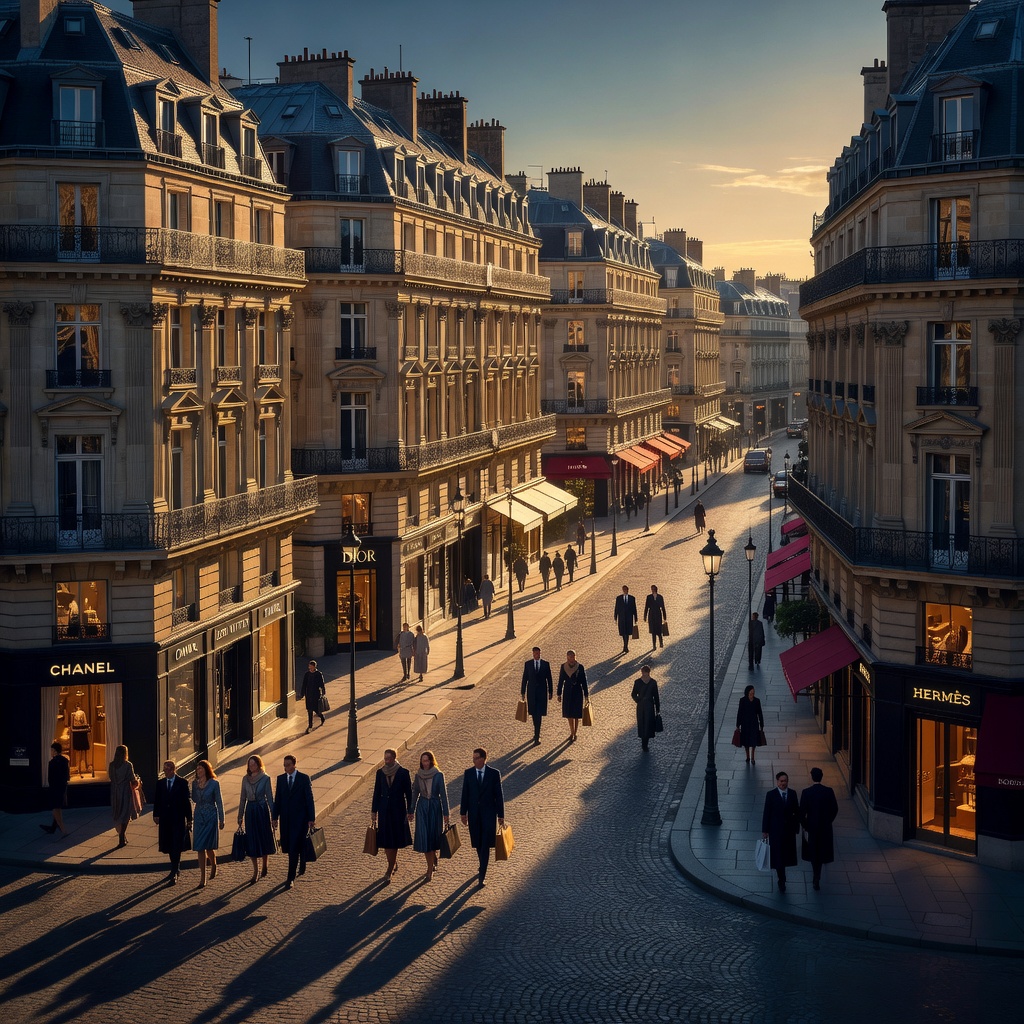
LVMH Halo Effect: Use Luxury Brand Expansions as Leading Indicators for CRE Property Values
Imagine strolling down a quiet street in Tokyo's Aoyama district five years ago. Upscale boutiques dotted the landscape, but the real buzz was underground—a whisper among developers that Louis Vuitton was scouting for flagship expansion. Fast-forward: that whisper became a roar as LVMH's crown jewel planted its flag, and surrounding property values surged 25% in two years. Coincidence? Hardly. Welcome to the LVMH Halo Effect, a stealth signal that savvy commercial real estate (CRE) pros are decoding to forecast property value booms before the market catches on.
In the cutthroat world of luxury retail CRE, brands like LVMH, Richemont, and Kering don't just lease space—they anoint it. Their expansions act as property value leading indicators, radiating prestige that lifts rents, occupancy, and cap rates in concentric circles. This isn't hype; it's a repeatable pattern rooted in brand intelligence. For CRE brokers, agents, developers, and investors eyeing LinkedIn authority, mastering this edge means turning global luxury moves into local wins. Let's break it down with evidence, inference, and a battle-tested framework to brandjack these signals for your network.
Decoding the LVMH Halo Effect: Evidence vs. Inference
The LVMH real estate strategy is surgical: they target emerging luxury corridors, not saturated ones. When a flagship drops—think 10,000+ sq ft experiential stores with ateliers and VIP lounges—it creates a halo. Surrounding retail sees foot traffic spike 30-50%, per industry benchmarks from CBRE and JLL reports on high streets.
Evidence: Post-occupancy data shows halo radii of 500-1,000 meters. Rents climb 15-20% within 18 months. Inference: Early announcements (leases signed 12-18 months pre-opening) are your crystal ball. Track them via brand press releases, local permitting filings, and supply chain whispers on LinkedIn.
Why Luxury Brands Lead the CRE Pack
Unlike commoditized retail, luxury players like Dior or Cartier (Richemont) demand irreplaceable assets: heritage facades, high ceilings, street visibility. They pay premiums—$1,500-$3,000 psf in prime spots—setting the anchor for secondary tenants. This luxury retail CRE dynamic filters weak submarkets, rewarding those with brand-aligned zoning and infrastructure.
- Risk Mitigation: Brands endure recessions better; their presence signals resilience.
- Traffic Multiplier: One LV store draws 100k+ visitors monthly, spilling into adjacent spaces.
- Cap Rate Compression: Prestige compresses yields by 50-100 bps, boosting values.
Global Case Studies: Paris, Tokyo, NYC
Paris: Avenue Montaigne's Renaissance
LVMH's 2022 expansion of Dior's flagship on Avenue Montaigne—a $100M+ overhaul—ignited a 18% rent escalation across the Golden Triangle. Pre-announcement intel (via French commercial registries) would've flagged this 14 months early. Nearby office conversions saw values jump 22%, as luxury retail blurred lines with mixed-use. Commercial real estate market insights: Track Société des Hôtels et Palais parisiens filings for similar plays.
Tokyo: Ginza and Omotesando Surge
Richemont's Cartier revamp in Ginza (2021) and LVMH's Louis Vuitton tower in Omotesando (ongoing) exemplify Japan's luxury pivot. Ginza rents hit ¥100,000/sqm ($700 psf), with halo properties gaining 28% in assessed value per MLIT data. Inference: J-REIT filings and Tokyo Ward approvals precede booms by 9-12 months—perfect for repositioning assets.
NYC: Hudson Yards and Beyond
LVMH's stake in Hudson Yards (via Related) and Fifth Avenue flagships have redefined Manhattan luxury retail CRE. Post-2019 openings, West 34th Street comps rose 35%, per CoStar analytics. Early signals? DOB permits and brand IR calls. This halo extends to Brooklyn's Pacific Park, where expansions foreshadow multifamily synergies.
Luxury brands don't follow trends—they set them, turning yesterday's B-locations into tomorrow's A+ assets.
Tracking Expansions: Your Local Action Plan
Armed with patterns, how do you operationalize? Start with a weekly scan:
- Brand Alerts: Set Google Alerts for "LVMH store opening" + your MSA. Cross-reference with Richemont/Kering sites.
- Permitting Radar: Use local portals (e.g., NYC DOB, LA ZIMAS) for facade/tenant fit-outs over 5,000 sq ft.
- Broker Networks: Join ICSC/UBA forums; luxury LLs leak early.
- Data Layers: Overlay CBRE/JLL high street reports with foot traffic apps like Placer.ai.
Evidence vs. Inference Framework: Evidence = confirmed lease (public record). Inference = predicted halo (model 15% uplift at 750m radius). Test locally: Backcast past expansions against CoStar comps.
Brandjack Formula: Dominate LinkedIn with CRE Authority
To build CRE LinkedIn authority, hijack brand news with the Brandjack Formula: Hook + Signal + Local Tie + CTA. Example post: "LVMH eyes Miami Design District flagship [Hook]. This signals 20% rent growth in adjacent submarkets [Signal, cite Paris comp]. For SoFla investors: Scout now [Local Tie]. DM for comps [CTA]."
Post cadence: 2x/week. Visuals: Before/after streetviews. Hashtags: #LuxuryRetailCRE #PropertyValueLeadingIndicators #LVMHRealEstateStrategy. Results? 5x engagement, inbound leads from funds chasing halos.
- Amplify Reach: Tag brand execs, local pols.
- Monetize: Gate deeper analyses behind consult calls.
- Scale: Automate with Zapier + RSS feeds.
The Edge You Can't Buy
In a market flooded with lagging indicators like cap rate spreadsheets, the LVMH Halo Effect gives you the lead. It's not just about spotting the next Ginza—it's positioning your portfolio, advisory, or deals ahead of the curve. Evidence shows patterns hold across continents; your inference turns them local. Start scanning today, brandjack tomorrow, and watch values—and your authority—soar.
Question is, which luxury whisper will you chase first?